How Long Do Dental Implants Really Last?
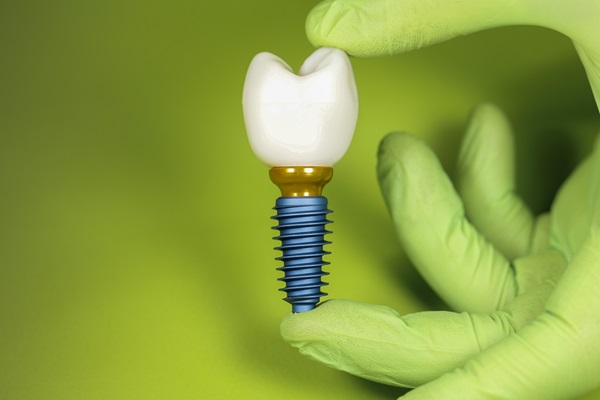
Dental implants replace tooth roots, anchoring right into the jawbone. They support natural chewing forces, protect the jawbone from tissue loss, and stabilize confident smiles. This design makes them a smart investment for those seeking a long-term solution to replace missing teeth. While dental implants can last a lifetime, their longevity depends on proper care and your overall health.
The longevity of dental implants
An implant can function for decades when it integrates well with the jawbone, helping the patient's bite stay balanced and the surrounding gums remain healthy. However, the long-term success of a patient's dental implants includes more than the titanium fixture in the bone. Implant success also includes healthy bone density and soft tissues, as well as a well-fitting dental prosthetic, such as a dental crown, bridge, or fixed denture. Although the dental prosthetic may need replacement after years of service due to wear, the implants themselves often continue to perform without issue.
How long will dental implants last?
During the first year, the dental implants fully fuse with the jawbone, and patients settle into normal chewing and home care. Small bite refinements or screw checks may occur as tissues adapt. Years two through five typically pass without issue due to routine dental cleanings and exams. Many crowns remain intact far beyond this point, though some patients may need minor adjustments.
From years six through 15, occlusal wear or chipping may appear, especially on porcelain or composite resin materials. At this point, the dental prosthetic may need repairs or replacement. However, it is important to note that general wear and tear does not usually affect the implants. In fact, with good health, implants often continue to work comfortably for 20 years or longer.
What factors can influence the implant's durability?
While dental implants are durable, factors can influence how long they last. These include:
- Bone health. A healthy jawbone can better support implants, while a shrinking one may leave them unsupported.
- General health. Diabetes, autoimmune diseases, and other health conditions can negatively impact implant longevity when unmanaged.
- Gum health. Healthy periodontal tissues protect the bone around implants and keep them stable.
- Bite. Unbalanced bites, missing back teeth, or heavy clenching can overload components, but devices like night guards help protect restorations.
- Lifestyle. Tobacco use and poor oral hygiene increase inflammation around the implant sites, potentially shortening their longevity.
Before implant placement, the general dentist will look at the patient's medical and dental history to ensure the patient is a good long-term candidate for dental implants. They can also discuss ways patients can become better candidates. Common examples include quitting smoking, rebuilding the jawbone through bone grafting, and managing their diabetes.
Maintaining dental implants in the long term
<3>Follow a consistent oral hygiene routine
To maintain dental implants, patients need to practice proper at-home care. This care and maintenance starts with consistent brushing and flossing. From there, small upgrades can make the routine more effective. For example, some patients may consider using interdental brushes with nylon-coated wires, super floss designed for bridges and implants, and water flossers. However, using non-abrasive toothpaste and alcohol-free rinses can help protect the gum tissue supporting the implant and dental prosthetics.
Protect against grinding and clenching
Individuals who clench or grind their teeth at night, also known as bruxism, can safeguard their replacement teeth with a custom-fitted night guard. This oral appliance is designed to comfortably fit over their teeth and redistribute the pressure exerted across the dental arch. Nightguards help protect restorations, prevent wear on the remaining natural teeth, and may reduce headaches and neck pain.
Consistent dental visits
Dental implant longevity depends on more than what happens at home. Ongoing checkups allow the dental team to verify tissue health, protect the bite, and keep all smile restoration components performing as intended. At these appointments, the general dentist measures pocket depths around each implant, looks for any signs of inflammation, and recommends treatments as needed.
Potential complications and how to prevent them
Like any dental restoration, there is the potential for complications and failure with dental implants. Not caring for the implants or leaving health conditions like diabetes unmanaged can lead to gum disease around the implant site (peri-implantitis). A general dentist can work quickly to treat the disease and save the implants from implant failure.
However, the best treatment is prevention, and peri-implantitis can be easily prevented. Practice good oral care at home (regular brushing and flossing) and get regular dental cleanings. These steps reduce complications and keep dental implants healthy for the long term.
Get dental implants that last
With the right care, dental implants can last decades, outlasting traditional tooth-replacement options. However, your unique biology, bite forces, and daily habits influence the exact timeline, as they support a well-integrated fixture and healthy tissues. Contact Bagnall Family Dentistry to learn more or to schedule an appointment today.
Request an appointment here: https://bagnallfamilydentistry.com or call Bagnall Family Dentistry at (978) 475-3997 for an appointment in our Andover office.
Check out what others are saying about our dental services on Yelp: Dental Implants in Andover, MA.
Related Posts
.bagnall-blog Quick answer Business trips barely change your aligner routine. Wear your trays 24 hours a day, keep them in while eating and drinking almost everything, and remove them only to brush and floss your teeth and clean the trays. 24/7 Recommended daily tray wear A few days Typical speech adjustment time Fewer visits Office…
.bagnall-blog Quick answer If your Invisalign fits differently today, the most common reasons are that your teeth moved as intended, or the trays were left out too long and your teeth shifted slightly. A snug or tight feeling early in each tray cycle is normal, but a tray that will not seat at all warrants…
.bagnall-blog Quick answer Invisalign may cause a slight, temporary lisp during the first few days that can briefly reduce voice-recognition accuracy. Still, most speakers adapt within about a week, and both their pronunciation and the software normalize. 1 week Typical speech adjustment window s, sh, th Sounds affected first 24 hrs/day Recommended wear time Fewer…
.bagnall-blog Quick answer Yes. By moving crooked or poorly positioned teeth into proper alignment, Invisalign helps distribute biting forces more evenly across the arch, which can slow or prevent the uneven wear caused by misaligned contact points. 24 hrs/day Recommended tray wear Mild-moderate Best-fit alignment cases Fewer visits Convenient Andover treatment Key takeaways 1. Misalignment…